Gym necessities: What to wear and what to pack
A workout can start to feel harder when your clothing gets in the way or your bag is missing something basic. A damp T-shirt, the wrong socks, or a forgotten towel can all pull attention away from the session before you’ve properly started. That's why it helps to split gym essentials into two parts: what to wear (tops, bottoms) and what to bring (water bottle, towel, headphones). Get those two pillars right, and training becomes simpler to prepare for and easier to keep consistent.
What are the gym essentials you actually need?
You need the right clothing and bag items to cover the practical things you’ll need before, during, and after training at the gym.
Your clothing should move easily and help you stay dry. Moisture-wicking fabric does this by drawing sweat to the surface, where it can evaporate faster. It’s worth looking for early, because it helps your kit feel lighter during training.
Here’s a quick-reference checklist.
Wear
- Moisture-wicking top
- Flexible bottoms
- Sports bra if needed for your workout
- Breathable socks
- Light warm-up layer
- Hair tie or headband if useful
Bring
- Water bottle
- Small gym towel
- Headphones
- Change of clothes
- Hygiene products
- Lock for lockers
- Snack for before or after training
If you’re building your gym kit, start with reliable training clothing that’s designed to move well and hold up through repeat sessions.
What to wear to the gym
What you should wear to the gym depends on how you train. Strength sessions need stability and freedom of movement. Cardio calls for lighter layers and more cushioning. Yoga and mobility work need stretch and a close fit that moves easily with your body.
When you’re choosing what to wear to gym classes or a lifting session, let the movement guide you. The best gym outfits are the ones that rise to meet the demands of your workout, not just a uniform you repeat out of habit.
In most cases, the safest rule is this: choose technical fabrics and a secure fit that lets you move without adjusting your clothes every few minutes.
- Strength training – fitted tops, squat-proof bottoms, flat or stable shoes
- Cardio – lightweight fabrics, breathable layers, cushioned shoes
- Yoga or mobility – stretchy fabrics, soft waistbands, flexible close-fitting pieces
- Mixed training – versatile tops and bottoms with cross-trainers
Gym clothing: Moisture-wicking tops and flexible bottoms
The base of a good gym outfit is simple: wear clothing that helps manage sweat and movement. Moisture-wicking fabrics matter because dry clothing feels lighter and reduces rubbing through the session.
For tops, choose pieces that stay close enough to move cleanly without feeling restrictive:
- Fitted T-shirts and tanks work well for most gym sessions
- Vests can feel better for hot, high-sweat workouts
- Long-sleeve tops or light quarter-zips can help if you train in a cooler space
- Polyester blends and nylon-spandex fabrics are useful because they offer stretch and moisture management
If you want options built for movement, browse our training t-shirts and tops for men and women.
For bottoms, choose based on how you move:
- Leggings with four-way stretch work well for squats, lunges, and classes where you need coverage
- Squat-proof opacity matters for lower-body work, especially through deeper movement
- Shorts are ideal for hotter sessions and high-output workouts, especially with a secure waistband
- Joggers are useful before and after training, or for lower-intensity sessions where you want more warmth
If you’re looking for training bottoms designed for high-intensity workouts, take a look at training shorts for men and leggings for women.

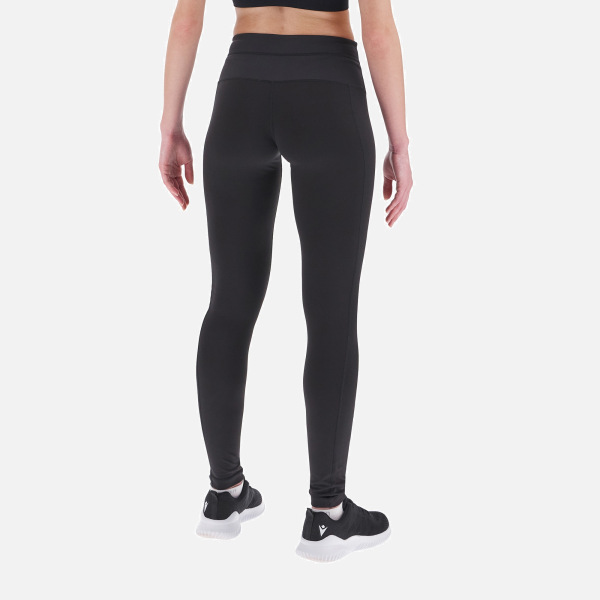
Small construction details show up once you start moving. Polyester-spandex blends give you stretch and sweat control, while flatlock seams can help reduce rubbing during repeated movement. These details are easy to miss on the hanger, but you feel them quickly once the workout starts.
Most modern activewear is made from polyester, nylon, or elastane blends by design. These synthetic fabrics move moisture away from the skin and dry faster. Activewear is engineered for comfort in motion, which is why technical fabrics are the right choice for gym training.
For women, support matters just as much as fabric. A sports bra should match the impact level of the session, with lighter support for yoga and stronger support for running or HIIT. It should feel like a natural extension of your outfit, not an afterthought.
Broader outfit inspiration is also available in women’s activewear.
Why is one pair of footwear not enough
Shoes can change how stable and comfortable your workout feels. That’s why one pair of trainers doesn’t suit every kind of training.
For lifting, flatter shoes are usually better. Squats and deadlifts need a stable base. Running shoes have soft cushioning that compresses under heavy load, which can make you feel less grounded and reduce control.
For cardio, cushioned shoes make more sense. If you’re running on a treadmill or doing longer intervals, that extra shock absorption helps protect your joints and improve comfort.
For mixed training, cross-trainers are the most practical starting point. They offer a balance of stability and cushioning, with lateral support for circuits and classes that combine several types of movement.
- Lifting – flat-soled shoes for stability
- Running or cardio – cushioned shoes for impact absorption
- HIIT or mixed sessions – cross-trainers for support in different directions
If you’re starting with just one pair, reach for a cross-trainer. It’s the all-rounder that covers the most ground and works well for general training.
What should you not wear to the gym?
Some clothing simply makes training harder or less safe. This isn’t about rules for the sake of rules. It’s as much about comfort and avoiding distractions as it’s about ensuring unrestricted movement.
Avoid 100% cotton for hard sessions, loose baggy clothing around machines, denim, open-toed shoes, heavy jewellery, or anything that shifts when you move.
- 100% cotton – absorbs sweat, gets heavy, and can cause chafing
- Very loose clothing – may catch on equipment or get in the way during lifts
- Denim – restrictive, heavy, and uncomfortable when you move
- Open-toed shoes – offer poor protection and support
- Heavy jewellery – can distract you, snag, or become uncomfortable
- Unstable or slippery shoes – reduce grip and control during training
The best gym outfit feels secure and almost forgettable. If you keep adjusting it, pulling it down, or working around it, it’s not the right fit for the session.
What should be in your gym bag
If you’re working out what to bring to the gym, start with the items you use every session: a water bottle, small towel, headphones, change of clothes, hygiene products, a lock, and a simple snack. Pack it the night before, and you’re less likely to forget what you actually need.
If you train often, a dedicated gym bag is your ally in staying organised. Tip: Look for a gym bag with shoe compartment as it makes every pack-and-go moment smoother.
For a broader comparison, you can also read our guide to the best gym bags for training.
Hydration and nutrition
Water is the first thing to pack. Even a short session feels harder when you’re under-hydrated, and it’s easy to forget a bottle if you’re rushing out the door. A reusable BPA-free bottle in the 500ml to 1L range works for most people.
If you train for longer or prefer cold water, an insulated bottle is worth having.
Nutrition matters too, though it doesn’t always need to sit inside the bag all day. Before training, a banana, a small energy bar, or a handful of nuts can give you quick fuel 30 to 60 minutes before you start.
After training, a protein shake, snack, or prepared meal within 30 to 60 minutes can support recovery, especially if you’re not eating a full meal soon after.
Tech and accessories
Tech can make a session feel more focused and easier to manage. Headphones are the obvious ones. Sweat-proof wireless headphones are usually the most practical choice because they stay out of the way and work for music (or podcasts) and guided sessions.
Noise-isolating headphones help you carve out your own space, even in a crowded gym. When the session stretches long, your rhythm stays unbroken.
A few other useful items include:
- Phone or fitness tracker for plans, timers, and notes
- Gym lock for lockers
- Spare hair ties or headbands
- Charging cable if you train before or after work
If you lift more seriously, optional accessories can include wrist wraps, straps, a lifting belt, or knee sleeves. Beginners don’t need to buy all of that straight away. Start with the basics and add equipment only when your training calls for it.
How to organise your gym bag
Packing well is just as useful as packing the right things. A messy bag leads to forgotten items, damp gear, odour build-up, and more effort than necessary.
Here are a few simple ways to organise it better:
1. Pack the night before. Morning decisions are where most forgotten items happen.
2. Use separate compartments. Keep shoes, clean clothes, and wet items apart where possible.
3. Keep a permanent mini-kit inside. Deodorant, hair ties, spare socks, and sanitiser can stay in the bag full-time.
4. Choose a bag with structure. A shoe pocket, water bottle sleeve, and main section make it easier to find what you need fast.
5. Empty and refresh it weekly. Remove old receipts, wrappers, damp clothes, and anything else building up inside.
If you want a more structured option for regular use, a holdall gym bag can help keep everything in its place.
Your complete gym essentials checklist
If you want one clean list to save and use, this is it. These gym must-haves cover the basics for most sessions, and they also work well as gym bag essentials for beginners.
What to wear
- Moisture-wicking top that keeps sweat under control
- Flexible bottoms that support your workout style
- Sports bra matched to impact level if needed
- Supportive shoes suited to your training
- Breathable socks that stay comfortable through movement
What to bring
- Water bottle for hydration during the session
- Small gym towel for equipment and sweat
- Headphones for focus and rhythm
- Change of clothes for after training
- Toiletries for a quick refresh or shower
- Snack for before or after the session
- Lock for lockers if your gym requires one
- Hair ties or headband if useful for comfort
This is the core gym bag checklist for most people. You can add to it later, but you don’t need much more to start well.
Conclusion
The simplest way to think about gym essentials is this: wear the right kit and pack the right basics. When your clothes help you move and your bag covers the practical details, training feels smoother and easier to repeat.
Begin with one outfit you trust and a bag packed with the essentials. Keep your checklist close until the routine becomes second nature. When you’re ready to level up, explore Macron activewear for training clothing built for your journey.
Frequently asked questions
What should I wear to the gym?
For most sessions, wear moisture-wicking clothing that moves easily, supportive shoes, and breathable socks. Add a sports bra if needed, and choose a light warm-up layer if you train in a cooler space.
How many gym outfits do I need?
For most people, three to four complete outfits is enough for three to five gym sessions per week. A simple rotation of two pairs of bottoms, three tops, and one warm-up layer usually covers you while still allowing time for washing.
If you train daily, add one or two more sets. The goal isn’t a huge wardrobe. It’s a clean, comfortable kit to stay consistent.
What should a beginner bring to the gym?
A beginner only needs a few basics: a water bottle, a towel, comfortable workout clothes, supportive trainers, and headphones if they help you focus. You don’t need specialist accessories, supplements, or lots of gear on day one.
Start simple. Build the habit first, then add to your kit as your routine becomes clearer.
Can I wear cotton to the gym?
Cotton is fine for light stretching or casual gym visits, but it’s not ideal for intense workouts. It absorbs sweat and holds moisture against your skin, which can make it feel heavier, colder, and more likely to cause chafing.
Synthetic fabrics such as polyester and nylon blends dry faster and manage moisture better. If you want a middle ground, cotton-blend fabrics (e.g., 60% polyester, 40% cotton) can work for lower-intensity sessions.
Do I need different shoes for different workouts?
Yes. Running shoes are built for forward motion and impact absorption, but their cushioning can feel unstable during heavy lifting. Flat shoes are better for strength work, while cross-trainers are more versatile for mixed routines.
If you only buy one pair, a cross-trainer is the most practical place to start.